
Understanding the Allure of Gambling
Gambling has captivated humanity for centuries, establishing itself as a vital source of entertainment across various cultures. One of the primary attractions of casinos is the thrill that comes with risk-taking. The tantalizing prospect of winning substantial sums of money, coupled with the adrenaline rush of placing bets, creates an exhilarating atmosphere. This intoxicating mix of excitement and trepidation activates neurotransmitters like dopamine in the brain, resulting in a pleasurable experience that many find virtually irresistible. Many players even turn to platforms like 1win to enhance their gaming experience, as the euphoric highs that accompany wins further reinforce the desire for players to return to the gaming tables, perpetuating the cycle of gambling.
In addition to the thrill of risk, the social dynamics of gambling amplify its appeal. Many individuals don’t just visit casinos to play games; they seek the camaraderie and interactions with fellow gamblers. The vibrant atmosphere filled with cheers, laughter, and shared experiences fosters a sense of community. As players celebrate each other’s victories and provide support during losses, they forge meaningful connections that satisfy a fundamental human need for social interaction and belonging. This communal aspect enhances the overall enjoyment of gambling, transforming it from a solitary activity into a shared adventure.
Cultural perceptions significantly influence our attraction to casinos. In many societies, gambling is not only a pastime but also a social norm and even a rite of passage. Popular media often romanticizes stories of striking it rich in casinos, embedding the notion of luck being just a game away into public consciousness. Such portrayals shape societal attitudes toward gambling, encouraging more individuals to explore their luck at the gaming tables. This cultural narrative perpetuates a cycle that reinforces the popularity of casinos, making them a focal point for entertainment and social interaction.
The Role of Cognitive Biases in Gambling
Cognitive biases play a significant role in shaping gamblers’ decision-making processes. A prominent example is the gambler’s fallacy, where individuals mistakenly believe that past outcomes will influence future results. For instance, a player might assume that if a particular number hasn’t appeared in a roulette game recently, it is “due” to show up soon. This flawed reasoning can lead to continuous play, even amidst mounting losses, as players chase their perceived fate. Such biases trap individuals in a cycle of unrealistic expectations that can lead to poor choices and financial distress.
Another critical cognitive bias is the illusion of control. Many gamblers harbor the belief that they can influence the outcomes of games, especially those incorporating an element of skill. This belief can deepen their engagement with the games, resulting in increased time and money spent gambling. Even in games driven purely by chance, like slot machines, players often devise personal strategies they believe will enhance their odds. This tendency further entraps them in the gambling experience, sometimes leading to significant financial commitments as they chase their perceived control over luck.
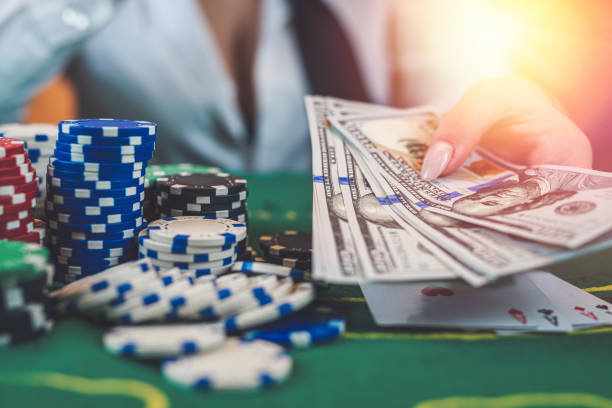
These cognitive biases highlight the essential role of psychological factors in understanding gambling behavior. Instead of making decisions based solely on rationality, players frequently find themselves swayed by emotions and misconceptions. This dynamic can create a cycle of gambling that is hard to break, often resulting in financial hardship and emotional turmoil. By recognizing these cognitive biases, individuals can cultivate a more mindful approach to gambling, enabling them to make better-informed choices and establish healthier gambling habits.
The Impact of Environment on Gambling Behavior
The casino environment is meticulously designed to enhance the overall gaming experience. From the sounds of spinning slots to the vibrant lights and engaging decor, everything aims to create an atmosphere filled with excitement and urgency. These sensory stimuli can trigger emotional responses, often distracting players from potential risks or losses associated with their gambling activities. As players immerse themselves in this stimulating environment, their awareness of time and money can diminish, leading to extended gambling sessions that may not align with their original intentions.
Another essential aspect of the casino atmosphere is the availability of complimentary drinks and amenities. Many establishments offer free beverages to encourage players to stay at their tables longer. This practice not only enhances the overall experience but also significantly impacts decision-making. The consumption of alcohol, for instance, can impair judgment, prompting players to take risks they might typically avoid. The combination of social interaction and alcohol consumption can deepen engagement with gambling, often leading to overspending and the erosion of financial boundaries.
Furthermore, the strategic layout of casinos is intended to promote movement throughout the space, enhancing the gambling experience. By placing slot machines and table games in close proximity, casinos create an inviting environment that encourages players to continue gambling without interruption. This design, paired with enticing rewards and the allure of potential winnings, makes it easy for individuals to lose track of both time and money. Such an environment reinforces gambling habits and can sometimes lead to compulsive behaviors, making it crucial for players to remain aware of their surroundings and their gambling activities.
The Psychological Effects of Winning and Losing
The psychological impact of winning in gambling creates a powerful reinforcement loop that keeps players returning for more. When individuals win, their brains release dopamine, producing feelings of pleasure and reward. This euphoric response can become addictive, prompting a strong desire to repeat the experience, which often results in increased gambling frequency. The anticipation of winning can overshadow rational thought, compelling individuals to gamble more often in pursuit of that same high. Conversely, losses can carry a heavy psychological burden, leading to feelings of regret, frustration, and even desperation.

Losing can lead players to engage in a behavior known as loss chasing, where they attempt to recover lost funds by gambling even more. This can create a vicious cycle, as individuals find themselves trapped in a relentless quest to win back their losses. The emotional toll of such behavior can lead to significant stress, anxiety, and even depression. As individuals struggle to cope with their financial and emotional repercussions, it becomes increasingly important to recognize when gambling habits are becoming detrimental to their overall well-being.
The phenomenon of “near-misses” can also significantly influence gambling behavior. When players come close to winning, they may experience a sense of hope that encourages continued gambling, as they believe that the next game might finally lead to a win. This psychological trickery can lead players to gamble far more than they initially intended, creating an ongoing cycle of hope and despair that can be challenging to escape. Understanding these psychological effects is essential for those who wish to engage with gambling healthily and responsibly.
Your Resource for Understanding Gambling Psychology
For those interested in exploring the intricate psychology behind gambling, there are numerous resources available to deepen your understanding of this complex topic. Whether you’re curious about the cognitive biases that influence decision-making or the environmental factors that shape behavior, a wealth of information can be found in educational platforms, books, and online courses dedicated to gambling psychology. These resources can provide comprehensive insights into the psychological mechanisms at play within gambling scenarios.
This exploration into gambling psychology can be especially beneficial for individuals seeking to understand their own gambling habits. By recognizing the underlying psychological drivers, individuals can make more informed decisions regarding their gambling behavior. Ultimately, grasping these factors can lead to healthier habits and a more mindful approach to gambling, promoting overall well-being and responsible gaming practices.
Moreover, if you are eager to expand your knowledge further, our website offers a range of articles and resources dedicated to the intricacies of gambling psychology. We aim to provide insights that empower individuals to navigate the gambling landscape with awareness and responsibility. Through education and informed choices, individuals can enjoy the thrill of gambling while minimizing risks and making positive decisions that enhance their overall gaming experience.