
Buy Bulk Ammo Online and Lock In the Lowest Per-Round Prices
When your rifle runs dry mid-range session, bulk ammo online turns a frustrating stop into a seamless reload—you order 1,000 rounds from a trusted retailer and have them at your door in days. It works by letting you buy high-volume cases of ammunition directly through a website, often with tiered pricing that slashes per-round cost as quantity climbs. You pick your caliber and grain weight, add to cart, and the savings stack instantly—free shipping thresholds and bulk discounts reward bigger orders with sharper value. Master this simple process, and you’ll never overpay at a counter again, keeping your shooting budget locked in your favor.
Why Buying Ammunition in Larger Quantities Saves You More Than Money
Buying bulk ammo online is about securing your future trigger time, not just cutting costs. When you purchase larger quantities, you lock in consistent ballistics and lot numbers, which is a massive advantage for precision shooters. Bulk ammunition breaks the cycle of panic-buying, meaning you never face a dry range session or a zeroed-in load change. The 9.3x62mm Mauser Ammo for Sale real saving is the mental bandwidth gained from never calculating per-box costs or rationing rounds. This strategy builds a stockpile that outlasts shortages, letting you train freely and develop muscle memory without interruption. Beyond the price-per-round drop, the true return is the confidence in knowing your gear is always loaded, always ready, and always identical—a priceless edge for any serious shooter.
How Per-Round Costs Drop When You Scale Up Your Order
When you scale up your order with bulk ammo online, the per-round price falls because fixed expenses—like packaging, handling, and shipping fees—get spread across more units. A single box of 20 carries the same processing overhead as a case of 500, so that overhead shrinks per bullet as volume climbs. Furthermore, manufacturers and retailers offer tiered discounts that activate at specific thresholds, rewarding higher quantities with steeper price breaks. Scaling your order reduces per-round costs through three compounding factors:

- Freight costs per box decrease as weight-based shipping is amortized over more ammunition.
- Production efficiency gains pass savings to buyers who commit to full cases or pallets.
- Volume-based pricing brackets lower the unit cost at each successive order size.
The Hidden Savings on Shipping Fees with One Big Purchase
Shipping fees on ammunition are often calculated per box, meaning five separate orders of fifty rounds each incur the handling charge five times. A single bulk purchase collapses that variable cost into one flat 9.3x72R Ammo for Sale rate, effectively making the per-round shipping expense nearly negligible. For example, a $15 shipping fee on a $100 order represents a 15% surcharge, but the same fee on a $500 bulk order drops to just 3%. This is the hidden savings on shipping fees with one big purchase, where the logic is simple: you pay the courier once, not repeatedly. The heavier the single box, the lower the proportional freight cost, provided the seller uses tiered or flat-rate shipping. Consolidating your entire ammunition need into one transaction also reduces the risk of paying expedited fees later when you run low. Q: How does one big purchase reduce shipping fees? A: It eliminates the repetition of fixed handling costs, spreading a single charge across hundreds of rounds instead of dozens.
Locking in Current Prices Before Future Increases Hit
When you buy bulk ammo online, you’re essentially freezing today’s price per round for months or even years down the line. That price lock on bulk ammunition means the cash you set aside now stretches further, because future cost bumps won’t touch the boxes already sitting in your safe. Ordering a case instead of a single box spreads the current rate across every cartridge, so you skip the sting of paying more later for the exact same product. It’s a simple way to protect your shooting budget from creeping hikes without guessing what comes next.
- Secure a fixed per-round cost before suppliers adjust their numbers upward.
- Stockpile at today’s rate so your next range trip doesn’t cost extra.
- Buy once, pay once—no surprise surcharges on your existing stash.
- Spread the current price across a larger order to maximize your savings now.
What to Check Before You Add Thousands of Rounds to Your Cart
Before committing to a bulk ammo online purchase of thousands of rounds, verify the per-unit price against current market averages—a deal that seems too good often hides poor quality or obsolete stock. specialty sports and supply Check the manufacturer’s lot number and production date; recently manufactured ammunition from brands like Federal or CCI ensures reliable primers and consistent powder burn. Confirm the packaging integrity: sealed, moisture-resistant boxes prevent corrosion during long-term storage. Also, calculate your shipping weight and delivery timeframe; flat-rate freight for heavy cases can add hidden costs that kill the savings. Finally, ensure your firearm’s caliber matches exactly—a misread on a bulk listing for 5.56 vs .223 is irreversible. Ask: “Is the brass new or remanufactured?” If the seller hesitates, walk away—reloaded rounds in bulk are a gamble on your gun’s action and your safety.
Matching the Exact Grain Weight and Bullet Type to Your Firearm
Before committing to bulk ammunition, verify that the exact grain weight and bullet type match your firearm’s documented specifications, as listed in the owner’s manual or stamped on the barrel. A heavier grain, such as a 147gr 9mm, may produce different pressure curves and point-of-impact shifts compared to a 115gr load, which can affect accuracy and cycling reliability in pistols with lighter recoil springs. Even a nominally compatible bullet shape, like a flat-nose versus round-nose, can jam in feed ramps designed for a specific profile. Cross-reference your lot number against the manufacturer’s ballistic data, and never assume “close enough” when the box indicates a different grain weight than your zeroing load. Matching grain weight and bullet type prevents malfunctions and ensures your bulk purchase performs identically to your defensive or competition rounds.
New Production vs. Remanufactured Rounds: What’s the Real Difference
When you buy bulk ammo online, the core distinction between new production and remanufactured rounds comes down to component integrity and consistency. New production uses virgin brass, fresh primers, and newly drawn bullets, giving you uniform neck tension and reliable headspace every single time. Remanufactured rounds, however, are assembled from once-fired brass that has been cleaned, resized, and inspected—which can save you money but introduces variables like case thinning or primer pocket loosening you can’t see in a photo. For high-volume training, remanufactured rounds offer solid economics, but for defensive loads or precision work, new production is non-negotiable because the brass’s structural memory is predictable. Always check if the remanufacturer pressure-tests each batch; if they won’t disclose that, stick with new factory loads.
Q: Are remanufactured rounds as accurate as new production? A: Often, they’re close, but not identical—remanufactured brass has already expanded once, so it may chamber tighter, but inconsistent resizing can shift your point of impact. New production wins on uniformity, remanufactured wins on price-per-round, so choose based on whether you’re punching paper or trusting your life.
Reading the Spec Sheet: Velocity, Pressure, and Casing Material Explained
When you’re buying bulk ammo online, the spec sheet is your best friend—it tells you if that screaming deal is actually safe for your gun. Velocity and pressure ratings reveal how hot the load runs; a faster round in a barrel not rated for it can spell disaster, while a weak load might not cycle your slide. Casing material matters just as much: brass reloads smoothly and seals well, steel is cheaper but can stretch your extractor and leave stubborn carbon rings, and aluminum is a lightweight middle ground that’s often single-use. Always match the listed pressure (like SAAMI specs) to your firearm’s chamber, and check if the casing is annealed or crimped—those details affect feeding and extraction over thousands of rounds.
Always cross-check velocity, pressure, and casing material on the spec sheet before committing to bulk ammo—it’s the only way to ensure reliability and safety at scale.

Step-by-Step Guide to Placing a Large Order Without Errors
Start by calculating your exact round count per caliber, then verify it against the website’s case quantities to avoid partial-box mistakes. Before checkout, create an account and save your shipping address—this prevents autofill errors that scramble apartment numbers or FFL details. For bulk ammo online, select the **flat-rate freight option** only after confirming your zip code’s delivery window, then double-check the order summary line by line: caliber, grain weight, and total weight. Use a credit card with purchase protection, not a debit card, to flag discrepancies instantly. Finally, request a loading dock appointment if your shipment exceeds 500 lbs.
Never trust the “reorder” button—manually re-enter SKUs to avoid substituting a similar 9mm or 5.56 load.
After submission, screenshot the confirmation and track the LTL carrier’s weekly status until the pallet arrives.

How to Calculate Your Yearly Round Count for a Single Order
To nail your yearly round count for a single order, start 9mm Ammo for Sale by listing every caliber you shoot monthly, then multiply each by 12. For example, if you burn 200 rounds of 9mm per range trip and go twice a month, that’s 400 monthly, or 4,800 yearly—so order that exact number. Next, factor in practice ammo for dry-fire substitutes or backup mags, adding a 10–15% cushion for unexpected range days or zeroing sessions. Don’t forget seasonal spikes (hunting or competitions) by adding those specific months’ totals separately. Finally, divide your yearly count by your order frequency—if you order quarterly, split it into four equal batches to avoid over-purchasing one caliber and under-stocking another.
Selecting the Right Pack Sizes—Cases, Crates, and Bulk Bags
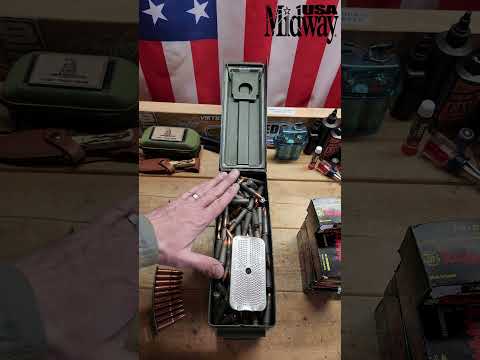
When stocking up on bulk ammo online, picking the right pack size is about balancing cost-per-round against your actual storage and shooting habits. Cases are perfect for standard calibers you burn through monthly, while crates offer a middle ground—typically multiple cases bundled, ideal for sharing a buy with friends or managing a modest reserve. Bulk bags , usually loose rounds in large quantities, give the lowest price per round but demand careful handling and a sturdy ammo can for safekeeping. Before you click “add to cart,” visualize where this order will live and how quickly you’ll use it; a giant bag that sits in a damp garage for two years is a waste of money.

- Cases suit frequent range trips and easy stacking.
- Crates add a physical barrier for long-term storage.
- Bulk bags require immediate repacking into sealed containers.
What to Do When Your Preferred Load Is Out of Stock
When your preferred load is out of stock, **lock in your order with a backorder notification** while simultaneously checking the retailer’s “email when available” list. Do not wait passively—call the sales line to ask for an estimated restock date and whether they can hold your quantity at today’s price. If restock is weeks away, pivot to a comparable bullet weight or projectile type from the same brand, since casing and primer specs usually remain identical. Verify that your firearm cycles the substitute by 9×18 Makarov Ammo for Sale ordering a single 50-round box first, not the full bulk case. Alternatively, split your total order: secure half in a close-matching load now, then place the remaining half once your original choice returns.
Getting the Best Delivery Experience for Heavy Ammo Shipments

When you order bulk ammo online, the heaviest part isn’t 7mm Rem Ultra Mag Ammo for Sale the shooting—it’s the wait after that flatbed-style box lands on your porch. I’ve learned to always choose split-shipping for pallet-sized orders, because a single 80-pound crate rattling around a local hub invites missed deliveries and dented corners. Schedule delivery for a day you’ll actually be home, and leave a clear path from the curb to your garage—drivers won’t drag 500 rounds of .308 through a muddy yard more than once. Ask for liftgate service at checkout, even if it costs extra, because your back and your doorstep will thank you when the truck shows up without a dock. *The real trick, though, is tracking the truck live and texting the driver directly to confirm they see the “heavy” sticker before they load.* That one conversation has saved me more crushed primers than any packaging upgrade ever did.
Choosing a Shipping Speed That Keeps Your Package Safe but Affordable
When buying bulk ammo online, choosing a shipping speed that keeps your package safe but affordable means balancing transit time against handling risk. Heavier parcels face more mechanical stress, so ground shipping with package tracking is often the sweet spot—it avoids the rushed sorting of expedited air freight, yet still arrives within a predictable window. For maximum safety, select the slowest option that still includes .50 Cal Ammo for Sale signature confirmation, as shorter deadlines can force rough stacking. Evaluate costs per pound:
- Compare standard ground rates against 2-day air for your total weight.
- Check if the retailer offers free threshold shipping for heavy orders.
- Opt for a speed that guarantees temperature-neutral warehouses, not necessarily overnight.
This way, you protect the structural integrity of your ammo without paying for urgency you don’t need.
How to Inspect Your Delivery for Seal Integrity and Damage
Begin by examining the outer carton before signing; look for crush marks, punctures, or moisture stains that indicate rough handling. Next, cut the tape along the manufacturer’s seal rather than tearing it, then inspect the inner ammo box’s flap for intact adhesive and any signs of re-gluing. Check each sealed plastic sleeve or tray for pinholes, tears, or loose crimps—especially around primer rows. Weigh a sample box against its stated net weight to detect missing rounds, and gently shake it: rattling suggests loose bullets or broken seals. Finally, verify the factory seal integrity on every case by pressing the lid corners—any give means air or moisture intrusion.
- Check outer box for compression or water damage.
- Confirm inner seal adhesion and absence of tamper marks.
- Inspect each sleeve for micro-tears, then test box weight and rattle.
Storing Your New Stockpile: Humidity, Temperature, and Rotation Tips
Once your bulk ammo order lands, resist the urge to toss boxes in a garage corner. Proper bulk ammo storage starts with humidity control—keep levels between 30% and 50% using silica gel packs or a dehumidifier, since moisture wrecks primers and powder. Temperature matters equally: stay below 75°F, avoiding attics or sheds where daily swings cause condensation. Rotation is your lifeline for freshness, so follow this sequence:
- Date each case with a permanent marker on arrival.
- Stack newest deliveries behind existing stock.
- Pull from the front for range trips, using older ammo first.
- Re-check seals and humidity indicators every three months.
Cycle through your reserve before any lot sits longer than a year, and your heavy shipment stays as deadly as the day it shipped.
Common Mistakes First-Time Bulk Buyers Make and How to Avoid Them
First-time bulk ammo online buyers often blow their budget by not calculating **shipping weight and hazmat fees** up front—a “deal” vanishes fast when those hit at checkout. Another classic slip is ignoring lot numbers; mixing different batches can cause accuracy shifts, so grab one consistent lot when possible. Avoid panic-buying a caliber you’ve never tested—buy a small box first to ensure it feeds reliably in your firearm. Also, don’t store ammo loose in a damp garage; that invites corroded primers and duds.
Always check the per-round price *after* shipping, and buy only what you can rotate through within a year.
Finally, read the seller’s return policy before paying, because ammo is almost never returnable once shipped.
Why Overbuying an Unfamiliar Caliber Wastes Your Budget
Snagging a deal on an unfamiliar caliber feels like a win, but it’s a budget trap. That mystery round might not cycle your firearm reliably, forcing you to buy a 7mm Rem Mag Ammo for Sale new barrel or magazine to use it. Worse, you could pile up 1,000 rounds that your gun simply chokes on, leaving you with worthless paperweights. Overbuying an unfamiliar caliber wastes your budget because resale value plummets once you’re stuck with ammo that doesn’t suit your setup. Instead, buy a single box, test for function and accuracy, then commit to bulk only after verification.
Q: Why does overbuying an unfamiliar caliber waste your budget?
A: Because you gamble on compatibility and performance, and if it fails, you’re left with costly, unsellable 6mm Remington Ammo for Sale inventory that no one else wants either.
Ignoring the Difference Between Plinking Rounds and Precision Ammo
When you’re stocking up on bulk ammo online, it’s tempting to grab the cheapest crate and call it a day, but ignoring the difference between plinking rounds and precision ammo can tank your range session before it starts. Plinking rounds, like bulk 9mm or .22 LR, are built for volume—think steel cases, inconsistent powder charges, and loose tolerances that keep costs down. Precision ammo, on the other hand, uses match-grade bullets and tight primer pockets for Ammunition for Sale consistent velocity and tight groups. If you accidentally buy a case of plinking rounds for your precision rifle, you’ll chase flyers all day and waste money re-zeroing. Conversely, don’t drop premium cash on match loads for casual steel plinking—you won’t see the benefit. **Match your ammo to your goal** before checkout, and read the product description for terms like “bulk” vs. “match” so you’re not stuck with 500 rounds that group like a shotgun blast. A quick filter for your intended use saves frustration and keeps your wallet happy.
How to Split a Massive Order with Shooting Buddies to Save Even More
Splitting a massive order with shooting buddies unlocks deeper bulk ammo online discounts, but coordination makes or breaks the deal. First, pool everyone’s exact caliber needs and calculate the combined round count to hit the next price-tier threshold, ensuring the per-case rate drops for all. Assign one person to pay upfront, then use a shared spreadsheet to track each shooter’s portion, shipping split, and any tax—avoiding the awkward “who owes what” debate later. Group bulk ammo purchases work best when you designate a single pickup point and verify each box’s lot number before distributing, so no one gets mismatched batches. Set a firm deadline for cash contributions before checkout, since a flaky buddy can stall your whole discount. Finally, rotate the order lead each time to share credit card rewards and keep the group fair.